

Thanksgiving invites us to count our blessings. But what if genuine gratitude asks something more of us?
Canadian history offers a sobering reminder. Indigenous peoples, including the Mi’kmaq, shared knowledge and resources that helped European settlers survive. Yet relationships that began with generosity were followed by colonization, displacement, and profound injustice.
Perhaps the Jewish holy day of Yom Kippur, the Day of Atonement, offers a helpful perspective. Alongside gratitude for life’s blessings, it invites reflection, repentance, and reconciliation. True thanksgiving need not ignore injustice; it can move us toward repairing harm and building more just relationships.
This is why Oakridge Adventist Church acknowledges that we gather and worship on the unceded territories of the xʷməθkʷəy̓əm (Musqueam), Sḵwx̱wú7mesh (Squamish), and səlilwətaɬ (Tsleil-Waututh) Nations. Gratitude for the privilege of gathering here should inspire us to consider our responsibilities toward those whose lands we share.
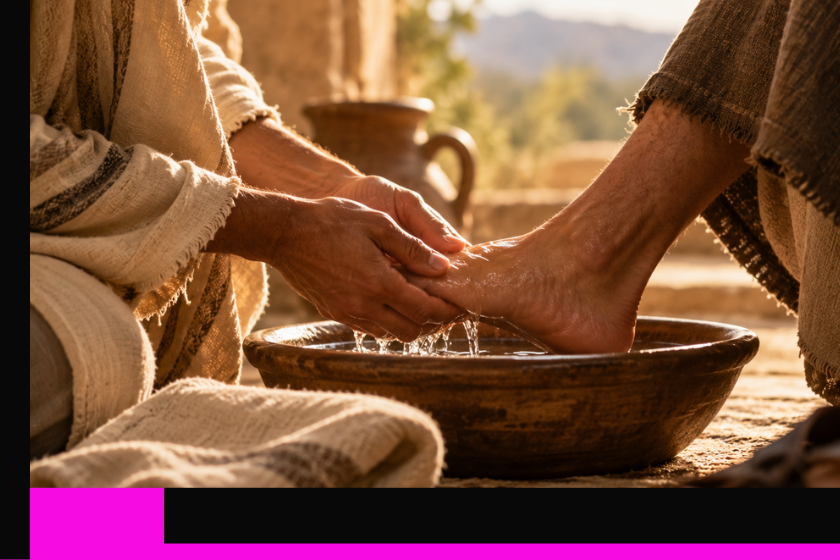
For Christians, this connection between grace and responsibility lies at the heart of Communion. Before sharing the bread and cup, Jesus knelt to wash His disciples’ feet—a startling act of humility that calls us to serve one another. We remember His self-giving love not simply by receiving grace, but by extending it.
Paul writes,
“All this is from God, who reconciled us to himself through Christ and gave us the ministry of reconciliation” (2
Corinthians 5:18).
This Thanksgiving, may we practise gratitude that goes beyond words. As we celebrate what we have received, let us honestly acknowledge the harms from which we have benefited, seek reconciliation where possible, and renew our commitment to generosity, justice, and healing.
May our thanksgiving become more than a celebration of our blessings. May it become a way of blessing others.