

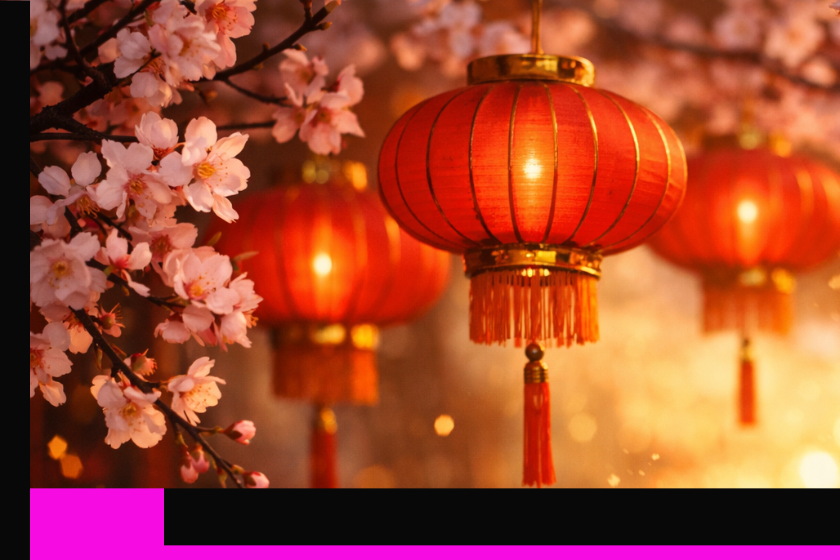
The Lunar New Year—also known as the Spring Festival—is the most widely celebrated holiday in Asia. Homes are cleaned. Debts are settled. Families gather. Tables overflow with symbolic foods. Red decorations proclaim blessing and protection. Firecrackers burst to drive away evil. It is a season of renewal, reunion, and hope. For Christians, these themes feel familiar.
When you look closely, the Lunar New Year traditions and practices share striking parallels with elements of Passover. In the book of Exodus, God delivered Israel from slavery in Egypt. Each household marked their doorposts with the blood of a lamb. They were set free at the dawn of a new beginning. And when their evil pursuers were swept up in the sea, the percussive sound of tambourines punctuated songs of praise. Attentive cleaning and a special meal still commemorate the event in Jewish homes to this day.
According to Scripture, Passover was never only about one night in Egypt. It pointed forward. The New Testament presents Jesus as the true Passover Lamb—the One whose blood brings ultimate deliverance. Slavery is no longer merely political; it is spiritual. Bondage is not just to Pharaoh, but to sin, fear, and death itself.
Where Lunar New Year speaks of sweeping away bad fortune, the Gospel goes a step further and speaks of cleansing the human heart. Where Spring Festival celebrates reunion around the table, the Gospel promises a future banquet in the kingdom of God. Where families wish each other prosperity and peace, Jesus offers life abundant (John 10:10) and peace that surpases understanding (Phil 4:7).
As our communities celebrate Lunar New Year this week, Christians can rejoice in what every firecracker, every feast, every gift and blessing ultimately points toward: the God who brings deliverance, who renews what is broken, and who is preparing a grand celebration when Christ welcomes His people home. An eternal spring. A table set. A family reunited.