

We live in a world that teaches us to hurry. We expect fast responses, quick solutions, instant results, and immediate answers. We can order almost anything with a click, track our deliveries in real time, and become frustrated when life doesn’t move at the speed we expect. Yet some of the most meaningful things in life cannot be rushed. Relationships take time to grow, healing takes time to happen, and spiritual growth is often a slow and gradual process.
Patience is not simply waiting for something to happen. It is choosing how we live while we wait.
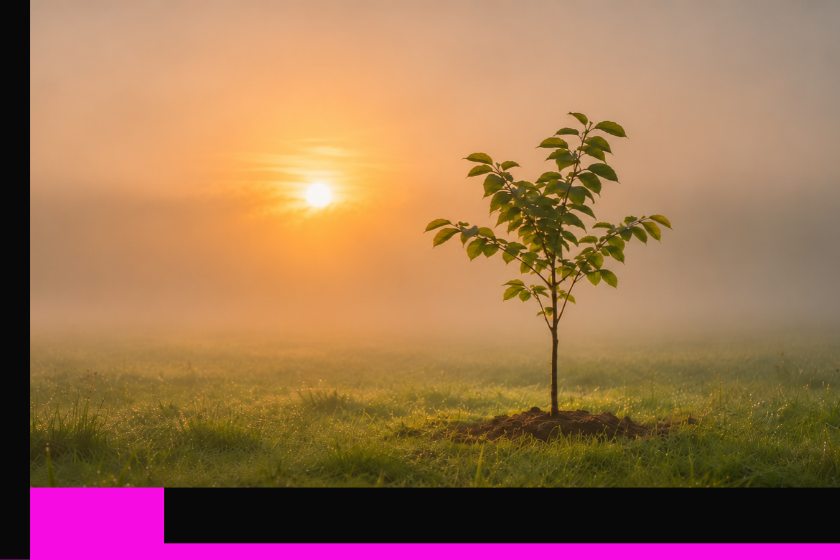
Imagine a gardener who plants a seed. Each morning, they return to the garden, hoping to see something new. But nothing seems to happen. Beneath the surface, however, roots are forming, the seed is opening, and new life is quietly taking shape. The gardener cannot pull on the plant to make it grow faster. They can only nurture the soil, provide water, and trust the process.
Perhaps patience is a little like that. Much of God’s work in our lives happens beneath the surface, beyond what we can immediately see. We may not notice progress in ourselves or in others, but that doesn’t mean nothing is happening.
Jesus offers us a beautiful example of this kind of patience. Consider His relationship with His disciples. They repeatedly misunderstood His teachings, argued about who was the greatest, struggled with fear, and failed to understand the purpose of His mission. Even as Jesus approached the cross, His closest followers were still wrestling with their own ambitions and expectations.
Yet Jesus continued to teach them, answer their questions, correct them, and invite them to grow. He didn’t abandon them because they were slow learners. He met them where they were while continuing to call them toward something greater.
Jesus demonstrated that patience is not the same as ignoring mistakes or avoiding difficult conversations. Sometimes patience means gently correcting someone, giving them another opportunity, or allowing room for growth. It means seeing people not only for who they are today but also for who they might become through God’s grace.
What might change in our homes, workplaces, churches, and communities if we practised this kind of patience? What if we were a little slower to judge, quicker to listen, more willing to forgive, and more generous in allowing others room to grow?
Perhaps the greatest test of our patience is not waiting for circumstances to change, but learning to extend to others the same grace that God continually extends to us.
Patience is not passive. It is an active expression of love. And sometimes the most Christlike thing we can do is give someone the time and grace they need to grow.
A thought to carry with you: Where might God be inviting you to practise a little more patience this week — with someone else, with yourself, or with the season of life you are in?
“Be completely humble and gentle; be patient, bearing with one another in love.” — Ephesians 4:2 (NIV)